
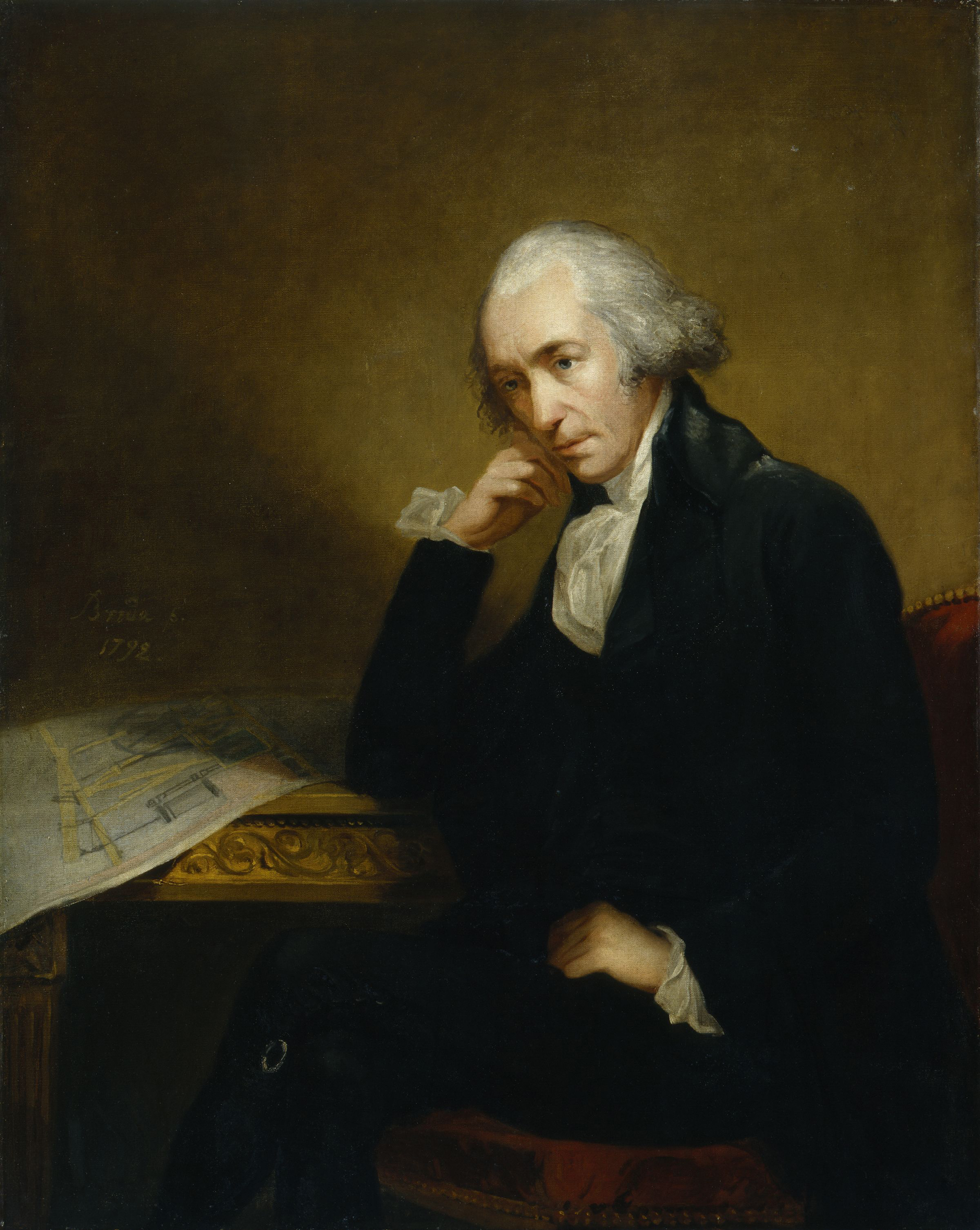
I am not in favor of the entire Marxist view, however, I do agree that it was the Bourgeois that had brought nations into civilization. A lower class of society, for example the peasants and commoners of the French Revolution, were absolutely incapable of bringing modernization of industry to it, as they could barely afford to feed themselves, let alone revolutionize modern industry. However, the Bourgeois were more than capable, as they were wealthy factory owners and had enough revenue to constantly revolutionize many technological advances in their factories. Another example was James Watt, during the Industrial Revolution. He was not necessarily a part of the Bourgeois of the time, but he was educated, and also had wealth, as his father was a shipwright, and his mother came from a distinguished family and was well-educated.
I do disagree with the point of view of the book, though, as i believe, as an example, the French Revolution could have easily been avoided if the people, meaning the Bourgeoisie and the nobility, had been a little more sensible. Political reform could have been possible without social upheaval, as they were the top classes, they should have been more civilized. I'm sure they were more than capable of reaching an agreement or sorting their issues out themselves. This revolution was merely showing a rebellious aspect of human nature and its intolerance. Instead of their first instinct to sort it out peacefully and properly, they revolted first and then thought about it later.

What do you (and Marx) mean by "civilization"? Are you assuming an equation between civilization and industrial capitalism?
ReplyDeleteAs for avoiding revolution, I think Marx would say that no one--and in this case, that means no dominant, exploiting class--ever gives up power and wealth voluntarily. Given that, violent, forceful revolution is inevitable. Do you disagree with his basic assumption?